BTS's Plea for Privacy: When Devotion Becomes a Burden
The intense pressure on global music idols, laid bare by BTS members' appeals for rest, highlights the growing tension between fervent fan devotion and fundamental artist well-being during world tours.
AI-generated image
Is there a point where passionate devotion crosses the line into detriment? This is the core question facing the global phenomenon BTS and their dedicated fanbase, ARMY, as recent appeals from members V and RM highlight the intense personal cost of global superstardom.
During their ongoing "ARIRANG" world tour, both V and RM have taken to the Weverse platform to ask fans to respect their personal space, particularly by not gathering outside their hotels. This comes after RM reported difficulties sleeping due to crowds outside their accommodation in Peru, a concern he extended to upcoming stops in Chile, Argentina, and Brazil, according to Yahoo Entertainment. Earlier, on July 1, 2026, V had also made a similar plea, even sharing a personal sleep monitoring record showing a mere 2 hours and 27 minutes of rest, a stark illustration of the physical toll of their demanding schedule, as reported by Terra.
The Unheeded Rules of Fan Etiquette
What makes these appeals particularly striking is that explicit guidelines for fan behavior already exist. The official Weverse BTS Fan Club Etiquette Notice, originally published on January 23, 2020, clearly states prohibitions against visiting private locations like hotels, attempting to contact or follow artists, or acquiring personal information. It even bans photography at airports and emphasizes not blocking vehicles or engaging in chases. These rules, often recirculated and reinforced by fan communities like ARMY Project 529, are designed to protect the artists' privacy and safety. Yet, the persistent issue of hotel gatherings indicates a segment of the fanbase, often labeled "sasaeng" by the wider community, continues to disregard these boundaries. While the vast majority of ARMY aims for respectful engagement, these isolated incidents undermine the collective effort to foster a healthy fan culture.
The Paradox of Proximity
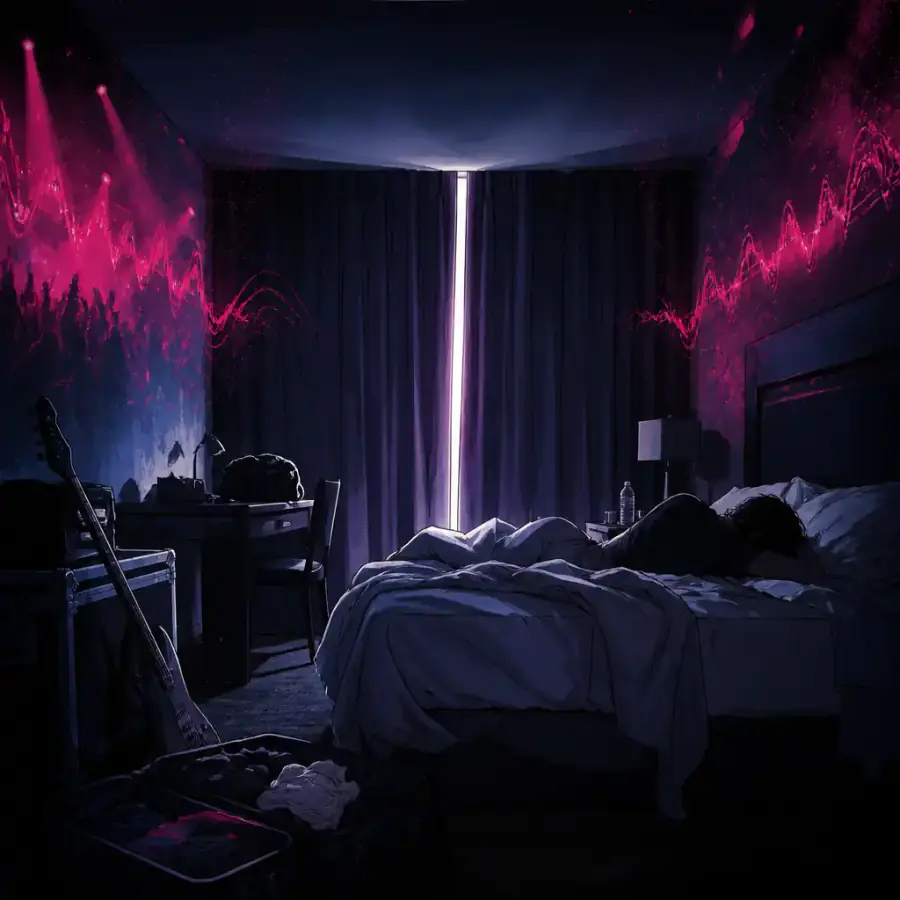
The desire for proximity is understandable, a natural extension of deep admiration for artists who create such meaningful connections through their music. However, the reality of global tours, with their intense travel schedules and back-to-back performances, means that artists' hotels are not just temporary homes but crucial sanctuaries for rest and recovery. When these spaces are compromised, the impact on artist well-being is immediate and direct, affecting their ability to perform at their best. It creates a difficult paradox: the very love and enthusiasm that drives record sales and fills stadiums can, if unrestrained, inadvertently harm the objects of that devotion. For example, while BTS's concerts in Peru generated an estimated $18.7 million in tourism spending and attracted over 50,000 visitors, the cost to the artists' personal rest and peace of mind appears significant.
Fandom's Role in Self-Regulation
It is important to acknowledge that the pleas from BTS members are not falling on deaf ears within the broader ARMY community. The BTS Perú Fanclub, for instance, actively discouraged gatherings outside the group's hotel and instead organized a drone show as a tribute, demonstrating a proactive approach to respectful fan engagement. This illustrates the powerful capacity of organized fandoms to self-regulate and promote positive behavior. Social media campaigns calling for respect and privacy often gain significant traction, showing that a considerable part of the community actively advocates for the artists' well-being. This internal policing is vital in distinguishing between genuine support and intrusive behavior, helping to redefine what it means to be a respectful fan in an era of unprecedented access.
Ultimately, the ongoing calls for privacy by BTS members serve as a crucial reminder for the entire music industry and its global audience. While the commercial success and cultural impact of groups like BTS are undeniable, the sustainability of such intense careers hinges on artists being afforded basic human rights: peace, rest, and personal space. The tension between fervent fan engagement and artist well-being is a complex one, but the message is clear: true devotion must include respect for the artists' lives beyond the stage, ensuring they can continue to create and perform for years to come. The responsibility lies with every individual within the fandom to honor the spirit of the official etiquette and prioritize the health of the artists they admire so deeply.
No topics yet: start the first one.
More stories
Rihanna's Return: A Quest for Artistry, Not Just Hits
After a decade away, Rihanna's hinted new album is poised not merely as a comeback, but as a deliberate artistic statement that could reshape her legacy and challenge the commercial demands of global pop.
Manilow's Vegas Woes: A Warning for Music's Aging Icons
Barry Manilow's recent string of Las Vegas cancellations underscores the increasing, often overlooked challenges facing veteran artists attempting demanding performance schedules.
Freddie Jackson's Enduring Legacy: The Undeniable Power of R&B Ballads
The passing of Freddie Jackson at 70 marks a moment to reflect on his significant contribution to R&B, highlighting how his distinctive voice and romantic ballads defined an era and continue to resonate with listeners.
Willie Colón's Irreplaceable Legacy: How a Titan Ensures Salsa's Future
The passing of Willie Colón marks a profound moment for salsa, but his innovative spirit and foundational contributions ensure the genre's beat will pulse forward, echoing his expansive vision.