Musisfera Newsroom
Take That say they're still hungry. Dreamers has to prove it
Take That's tenth album tests whether a legacy act can sell ambition instead of nostalgia, and the early evidence is encouraging but not conclusive.
Take That's tenth album tests whether a legacy act can sell ambition instead of nostalgia, and the early evidence is encouraging but not conclusive.
The headline says Jay-Z cashed in $665 million, but the money went to Duetti, a catalog buyer he is tied to through Roc Nation. The real news is Wall Street's appetite for royalties.
Deezer's CEO says AI makes up half of daily uploads, but the real problem is a payout model that rewards volume, so platforms must label, filter and demonetize.
Anitta's latest Grammy nomination rewards an ambitious Brazilian album, yet it also shows how the Academy files her work. She should use it as leverage, not consolation.
Dave Grohl says the 2027 European run is the last tour of this cycle. A band at its peak stepping back is how legacy rock should work, not a cause for panic.
Korn's anniversary run through Europe suggests nu-metal has outlived its embarrassment phase, and the genre's staying power looks like it comes from discomfort, not nostalgia.
A leaked tracklist with Playboi Carti, Dua Lipa and Lana Del Rey shows Rockstar acting like a label, and the real test is whether the songs survive without the game.
A posthumous Dolly Parton duet and a nod to Rosalía make great headlines for U2's first album in nine years. The record will be judged on the songs.
A film-born trio heading to arenas in 2027 is less a concert than an experiment: animated IP wins only if the live show builds its own bond with fans.
The Golden World Tour will test whether a cartoon trio can fill arenas as a concert experience, not just a very large merchandise funnel.
A Lorde-backed app that sells albums instead of renting them is the right counterweight to singles culture, but good intentions won't pay the bills or widen its audience.
Dua Lipa, Tame Impala and SZA are a safe, global trio. Advance passes sold out before anyone saw the names, which tells you who really holds the power.
U2's first album in nearly nine years arrives with a world tour attached and early reviews split. The songs, not the name, now have to justify the machine.
Forbes puts Paul McCartney at $1.4 billion, and the biggest engine is a publishing company, not a stadium tour. Younger artists who sold their masters should pay attention.
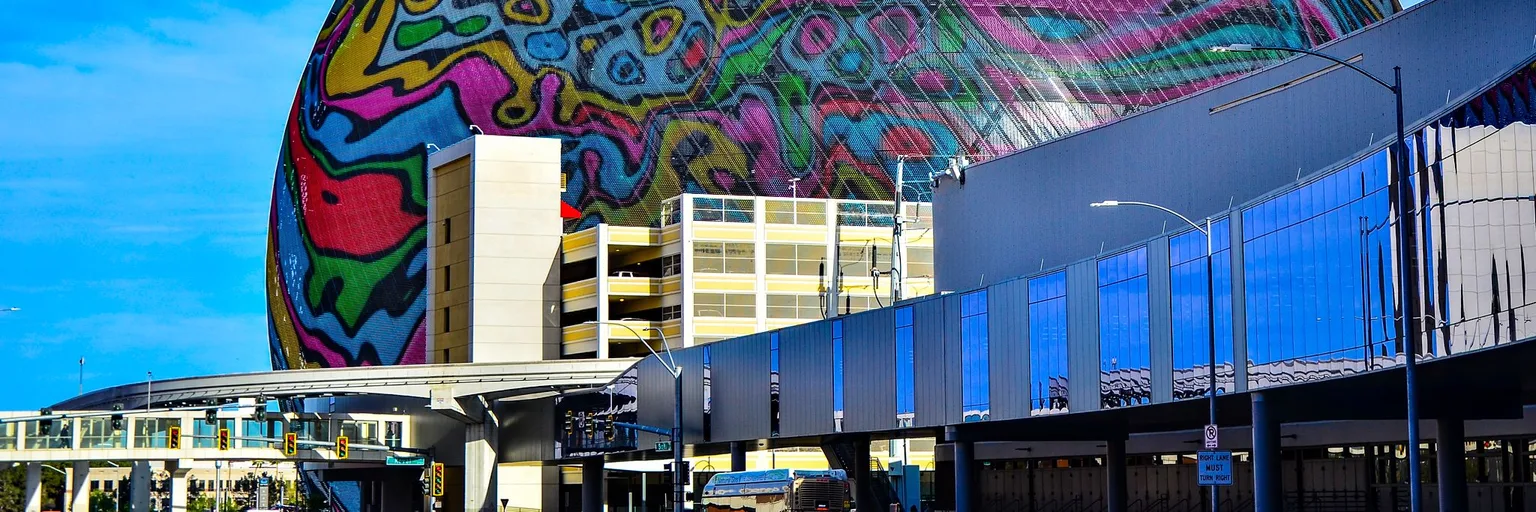
Pink's first Las Vegas residency fits a late-career pattern for arena-scale stars, but the Sphere only pays off if the show gives its giant screen a reason to exist.
The Elvis and Eminem suits add a voice-and-likeness front to the training fight, and that makes licensing much harder for Suno to treat as optional.
When a venue says an act that just sold out arenas in three cities is "not an arena level act," it owes the public more than a calendar excuse and a shrug.
Elvis's rights holders and Eminem's publisher have sued Suno. We think the pattern is clear: whoever owns the catalog will set the price of AI music, and Suno will pay it.
A Königsplatz show gone in an hour and a second night added: audiovisual electronic spectacle now sells like a stadium act, though the real draw is still unclear.
A second Olympiastadion date arrived days before Carnaval de Luz drops. The demand looks real, but it belongs to the band's legacy, not yet to the record.