GTA VI's 34-song leak shows games are now the biggest A&R desk in music
A leaked tracklist with Playboi Carti, Dua Lipa and Lana Del Rey shows Rockstar acting like a label, and the real test is whether the songs survive without the game.


A Lorde-backed app that sells albums instead of renting them is the right counterweight to singles culture, but good intentions won't pay the bills or widen its audience.
Forbes puts Paul McCartney at $1.4 billion, and the biggest engine is a publishing company, not a stadium tour. Younger artists who sold their masters should pay attention.
When a venue says an act that just sold out arenas in three cities is "not an arena level act," it owes the public more than a calendar excuse and a shrug.
A two-year Absolut partnership shows brands now court pop stars like labels do, but it only works if Charli keeps hold of the culture.
A 20-year-old album jumped from No. 139 to the top on a deluxe reissue. The Billboard 200 now rewards collectors and anniversaries as much as new music.
Turning down a Metallica run isn't arrogance. For a band that just drew 60,000 to the National Mall, borrowing a legend's crowd costs more than it pays.
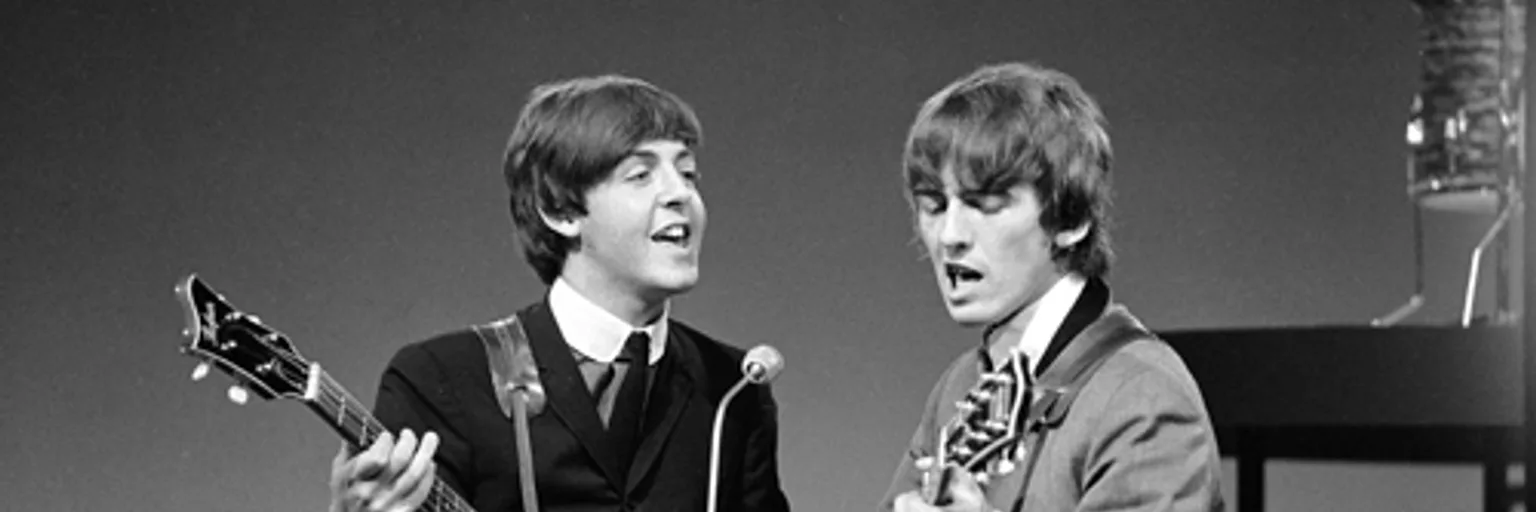
Horst Fascher dismissed the Beatles at first, then built the stage that helped make them. His death is a reminder that scenes need clubs, bookers and promoters, not just bands.
Showbiz411 says the last No. 1 debut above 100,000 came from a 67-year-old pop veteran, and that says less about dying sales than about a Billboard 200 measuring the wrong things.
A minority stake beside CVC's majority deal suggests consolidation is moving to the pipes of independent music, and artists should ask who controls their data and money.
Scoring and voicing a character in Benny Safdie's Dwayne Johnson film can give RAYE authorship and longevity beyond the single, but only if she writes real music.
Sixteen shows, 539,000 tickets and a record nightly gross: Dion's Paris residency shows what a long-awaited return can be worth, but few artists can copy it.
The Faith Evans ruling shows a legend's money is fought over as fiercely as his music, and that estates must set clear rules before the lawyers take over.
Universal's subscription revenue is accelerating, but the fine print points to higher prices, an acquisition and old songs, not a wave of new listeners finding new music.
Megan keeps her masters and publishing while Warner and Interscope handle distribution. It's a real shift in leverage, but one very few artists can copy.
A guitar, a Filofax and a family row show how fast a legend's memory gets priced, and why fans should demand clarity on what is sold, by whom and in whose name.
Artists have complained about rally playlists for years. Young's $10 million suit shows the leverage is in licensing, and campaigns that shrug it off are betting against the paperwork.
Giving RTVE until December to decide says Eurovision needs its big markets more than it admits, and broadcasters should stop treating participation as leverage.

A "brief" presidential appearance at the meeting that sealed the Live Nation settlement doesn't prove interference, but it tells fans who had access and who didn't.

Announcing a retirement two years ahead turns the end of a career into a controlled farewell cycle. It only works if the last shows are more than a countdown.
Catalog dominance isn't just nostalgia: streaming and playlists reward what we already know, and the industry can't keep treating new-artist discovery as optional.
Thirteen dates pushed back to 2027 and 2028, three days before opening night: the real story is how little slack arena-scale touring leaves for a single body.
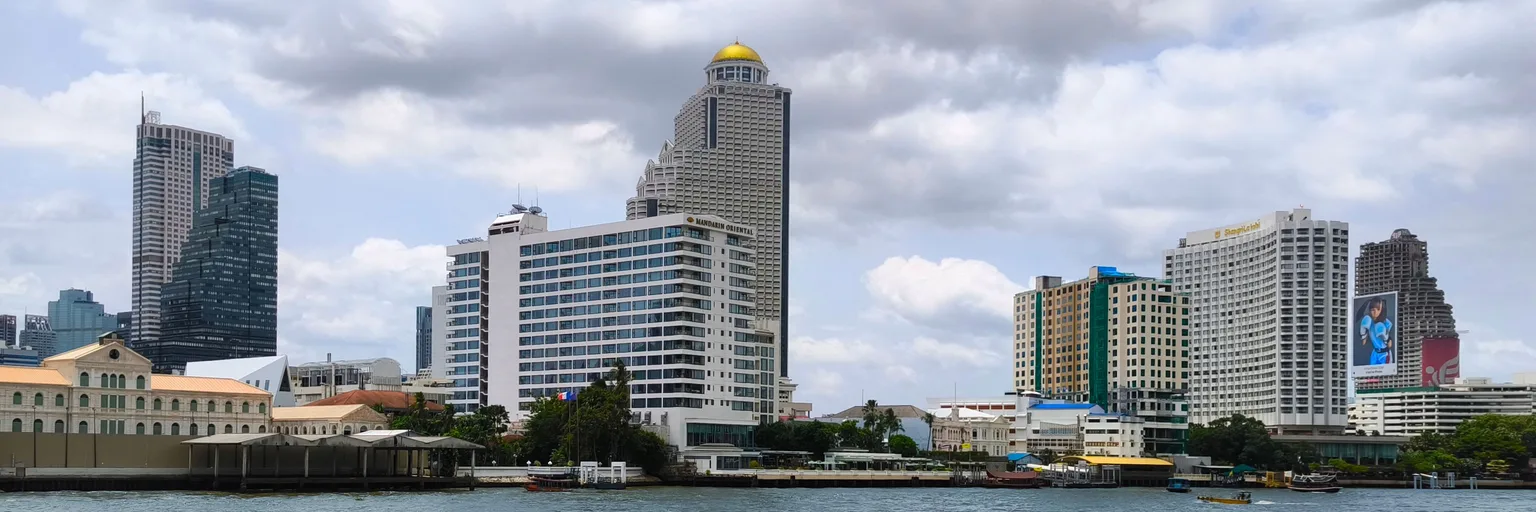
Eurovision Asia finally reaches Bangkok on November 14, but a European format, a commercial model and a pop-shaped rulebook risk making it a copy with better lighting.
A LEGO partnership lets Daft Punk cash in on its myth without un-retiring the robots, and in our view the absence of a real comeback is the whole product.
Laryngitis and vocal cord tears ended Slayyyter's European leg early. The lesson isn't that she's fragile, but that tours are built with zero buffer for the voice.
A self-represented producer says Sony paid him half his rate and pushed a no-audit form as "unchangeable." Allegations only, but they show where producer deals are weakest.
A skipped NRJ Music Awards and a reported 16,000-unit first week are less a verdict on Angèle than on a release machine that leaves no room to breathe.
Tony Berg's new Warner joint venture has the right pedigree, but it will only matter if it gets real creative control and signs artists the major would have passed on.
A 2027 album is still tabloid chatter, but the way Adele rations her output shows why absence can build demand, even in a streaming era that punishes it.
Oasis Live '27 answers the Live '25 ticketing mess with fixed prices and a registration lottery. It's a fairer sale, but a template only works if more fans get in.
A 73-minute album with four orchestras beat a shortlist dominated by the majors. The industry should stop treating ambition as a risk and independence as a fallback.
Mayer's new imprint with Mercury shows majors renting out artist taste as curation, but the deal is a vanity project unless it breaks genuinely new acts.
Spotify keeps adding paying users and plugs into AI agents, but a bigger subscriber count says nothing about whether artists see more of the money.
Chaos is betting that musicians need a single creative workspace, but its real test is proving that provenance and network effects beat familiar, fragmented tools.
Fudge arrives after Michael Kiwanuka’s stroke, but its real force is musical: a rougher, freer album that deserves attention beyond its painful origin story.
Two illness-related cancellations are not evidence that artists are unreliable; they expose a touring system built with almost no room for human limits.
Texas is betting on a full-album anniversary tour, but the real challenge is making White On Blonde feel like a living record rather than a perfectly preserved relic.
Billboard, Maybelline, Ana Mena and Lola Índigo point to a real global opportunity—but visibility is worthless without touring, ownership and lasting fans.
The Eagles’ expanding residency suggests Las Vegas is becoming a durable operating model for legacy acts, not merely a glamorous farewell stop.
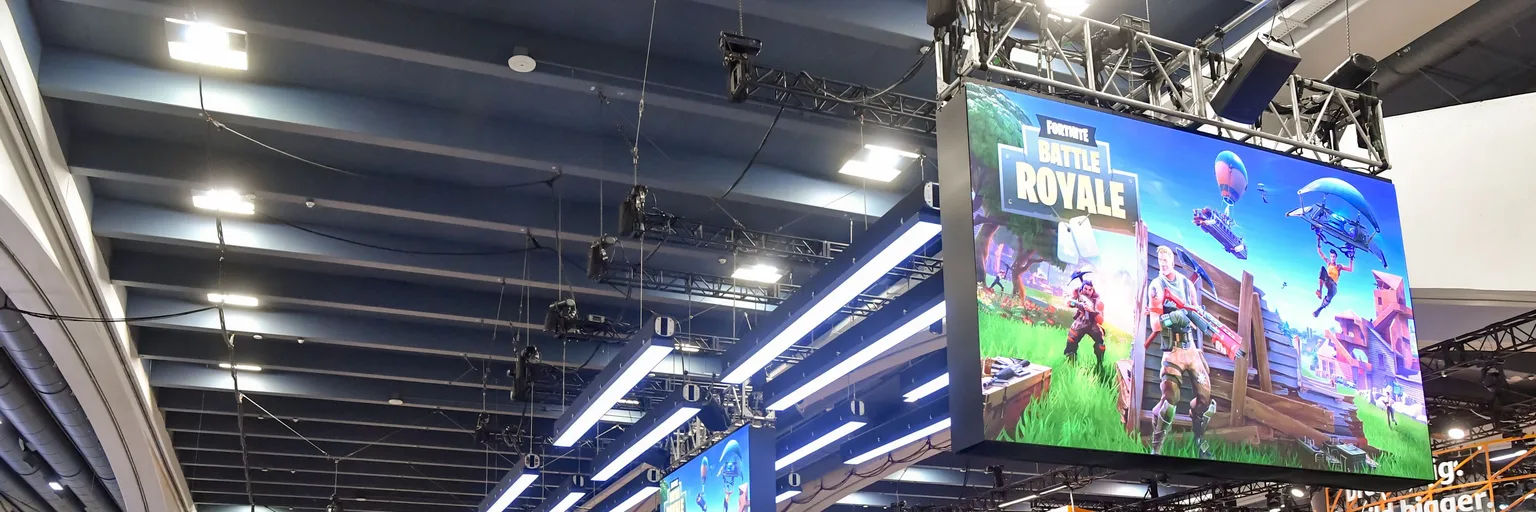
Poppy’s Fortnite experience is more than promotion: it points toward a music industry where fans explore, play and help complete the artist’s world.