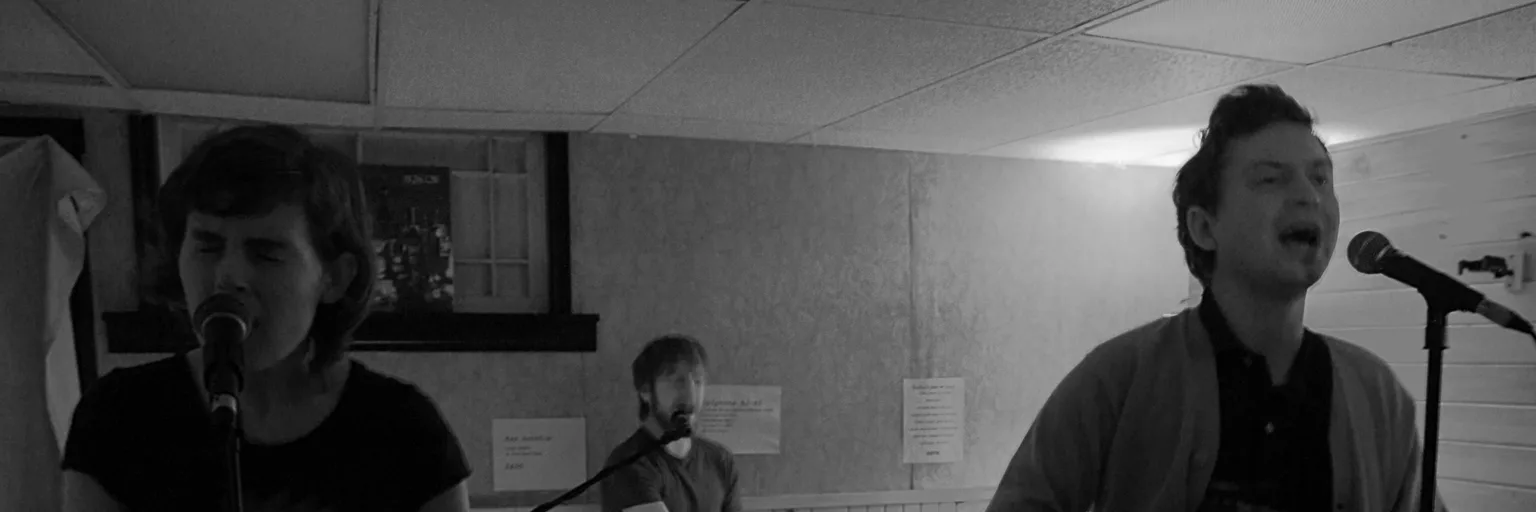
Nu-Metal's Enduring Roar: Staind's Return Challenges Past Dismissals
Staind's re-emergence into the music scene is more than a reunion; it's a critical test of nu-metal's enduring appeal, challenging its dismissal as a relic and proving its vital connection with a new generation.
AI-generated image
Is nu-metal truly back, or are we simply witnessing a fleeting wave of millennial nostalgia? Twenty-five years after its initial boom, nu-metal has been declared dead, buried, and resurrected more times than most genres. Now, Staind, a defining force of the era, steps back into the spotlight. This isn't just a band re-entering the landscape; it's a legacy act returning to a scene where the sounds they pioneered are reportedly having an undeniable resurgence, particularly among Gen Z. Their re-emergence offers a litmus test: can the raw, angsty energy that defined nu-metal decades ago still resonate today?
Staind, who sold multi-platinum albums in the early 2000s (Source 7), had their first full-band reunion concert in 2019 at the Louder Than Life Festival (Source 14). More recently, singles like "Fade (25th Anniversary Live)" have been released (Source 12), and the band has an active tour schedule through 2026-2027 (Source 13). Their continued presence highlights a moment where the genre they helped define is capturing new attention, posing a crucial question about nu-metal's lasting power.
The Unmistakable Roar of a Comeback
For a genre once dismissed as a transient fad, nu-metal's current vitality is striking. Reports from various outlets consistently highlight a significant resurgence, with Soundplate declaring it "no longer a thing of the past" in 2026, largely due to Gen Z's embrace. This isn't merely a quiet appreciation; it's a full-throated reclamation. Google searches for "nu metal" reached their highest in nearly 20 years in 2023, as The Riff observed, and the genre is thriving on platforms like TikTok, where its visceral, short hooks find fertile ground (Source 1, Source 5).
This comeback is driven by more than just algorithms; it speaks to a deeper cultural need. As the Pink Paradox article states, nu-metal is "fucking loud and defiant! It refuses to perform being okay," resonating powerfully with a generation navigating economic precarity, platform capitalism, and constant pressure (Source 5). The alienation and burnout of 2026 find their language in the genre's raw honesty, suggesting that nu-metal wasn't just reflecting its time then, but diagnosing ours now.
More Than Just the Old Guard
While the return of legendary bands like Linkin Park, Korn, Limp Bizkit, Papa Roach, and Deftones headlining festivals is a significant part of the story, a true revival requires new blood. And indeed, the current nu-metal landscape is not solely reliant on nostalgia. New artists are emerging, picking up the genre's DNA and carrying it forward (Source 5).
Female-fronted acts like South Arcade, born from the TikTok pipeline, are described as injecting pop sensibilities into nu-metal's energy, while independent artists like Ekoh, with his "Heart Hop" sound, blend influences from Linkin Park and Slipknot with Tupac and Eminem (Source 5). This development is crucial, demonstrating that the genre is evolving and adapting, not merely rehashing past glories. Staind’s return enters this dynamic environment, not as a solitary relic, but as a voice from the genre's foundational period, now measured against both its contemporaries and its fresh successors.
Beyond Simple Nostalgia
Critics often dismiss such revivals as mere nostalgia, a 20-year cycle where generational tastemakers bring back the sounds of their youth (Source 1). While this element is undoubtedly present, it doesn't fully explain nu-metal's current resonance. New fans, many of whom were not even alive during the genre's heyday, are discovering it organically on streaming platforms and social media (Source 1). They are not reminiscing about Woodstock '99; they are finding a contemporary connection to its raw emotion.
Of course, challenges persist. The "gatekeeping culture" among some older fans and metal purists, who deem nu-metal "not real metal" due to its hip-hop influences and perceived simplicity, can be a barrier for newcomers (Source 1). Yet, the sheer volume of engagement, from learning Korn riffs on Instagram to Linkin Park’s unexpected comeback album 'From Zero' topping charts around the world (Source 1), indicates that the genre's appeal is cutting through such friction. Staind's return offers a moment for the original purveyors to either reinforce their legacy within this new wave or be seen as simply a reunion act.
Staind's Return as a Bellwether
Staind arrives in this revitalized scene. Their original impact was significant, contributing to nu-metal's peak in the early 2000s alongside bands like Papa Roach and P.O.D. (Source 7). Now, their continued presence isn't just a testament to their existence; it's a test of relevance. Does Staind capture the raw, defiant energy that Gen Z is seeking, or does it lean too heavily on a sound that feels more rooted in the past than the present?
The enduring strength of nu-metal, in our view, lies in its fundamental refusal to sanitize difficult emotions. It's a genre built on expressing angst, frustration, and alienation—feelings that are as relevant now as they were a quarter-century ago. Staind’s ability to tap into this core without simply echoing their past successes will determine whether their current activities truly signal a vibrant continuation of their legacy within a thriving movement, or merely another stop on a nostalgia tour. The evidence suggests nu-metal has found its voice again; the question for Staind is whether they can speak its current language.
No topics yet: start the first one.
More stories
Tate McRae's Wallen comments expose music's moral tightrope
Tate McRae's reflection on her Morgan Wallen collaboration underscores the intense scrutiny artists face, revealing how fan expectations and industry politics increasingly define public perception and career choices in a polarized landscape.
Zach Bryan & Kid Rock: The Unlikely Duo Proving the Mainstream Is Dead
Zach Bryan's genre-bending EP and Kid Rock's polarizing gospel album, releasing days apart, demonstrate how artists now command dedicated audiences by defying traditional industry expectations and forging their own paths.
Gunna's SB THE LABEL: More Than a New Chapter, It's a Blueprint
Gunna's new imprint, SB THE LABEL, launched in partnership with Atlantic Music Group, exemplifies how leading artists are seizing entrepreneurial control, reshaping the traditional major label dynamic.

The 'Intimacy Economy' Is Reshaping Music's Future
As artists increasingly choose smaller, more personal fan interactions over large-scale campaigns, a profound shift is redefining success in the global music industry, with significant traction observed in Brazil.