Queen's New Music Dilemma: Preserving Legacy Over New Sound
Roger Taylor's comments on new Queen music with Adam Lambert highlight the delicate balance legendary bands face between artistic evolution and protecting an iconic, irreplaceable legacy.
AI-generated image
For legendary bands, the path forward is rarely simple. Does a revered group, anchored by an inimitable past, risk diluting its legacy by attempting new material with a new voice? Or does it embrace its role as a living tribute, celebrating what already exists? Roger Taylor's recent, definitive statements regarding new Queen music with Adam Lambert suggest a clear answer for one of rock's most enduring acts.
In recent interviews, Taylor, who just released his seventh solo album, Violence Insane In A Beautiful World, has seemingly shut the door on any potential new Queen material featuring Adam Lambert. Despite a decade-long partnership that saw Queen + Adam Lambert embark on their first tour in 2012 after Lambert's appearance on American Idol in 2009, Taylor's recent remarks to Classic Rock indicate a divergence in their musical paths. He noted that Lambert is now "on a slightly different path" than Queen, acknowledging that while they toured together successfully for ten years, creating new songs proved elusive. "We never really finished anything with Adam," Taylor admitted, expressing regret despite being "a huge admirer of his voice." He believes they "could have done good stuff," but Lambert's other commitments prevented it from "really work[ing] out in the end" (Far Out Magazine).
This confirmation from Taylor settles years of speculation and rumors regarding new Queen material with Lambert. Although there were attempts to create new tracks, nothing concrete ever materialized. This aligns with Queen's long-standing approach, where, as Taylor himself stated, the band "never really wanted to be overtly political" and viewed themselves primarily as entertainers (Louder). Creating new music, especially with a different vocalist, naturally invites comparisons and potential shifts in direction that could challenge their established identity.
The Weight of an Unforgettable Legacy
The decision to not pursue new recordings with Adam Lambert underscores the immense shadow cast by Freddie Mercury's incomparable legacy. Taylor consistently praises Lambert as an "unselfish performer" with an "amazing natural gift," noting that he "never tried to be Freddie" (ultimateclassicrock.com). This respect for Lambert's individuality, combined with the band's reluctance to "lecture" audiences, speaks to a careful preservation of their artistic core. Queen’s identity is intrinsically linked to its original sound and composition. The very act of trying to innovate with new material risks inviting unfavorable comparisons and potentially altering the perception of the band's definitive era.
Moreover, the internal dynamics of Queen, even among its surviving members, present challenges to new creative ventures. Roger Taylor’s own solo career, marked by politically charged albums like the recently released Violence Insane In A Beautiful World, showcases a different artistic freedom. This album, his seventh, moves from "joy to horror" as it reflects on humanity's course of destruction, featuring a cautiously hopeful refrain: 'Don’t fuck it up' (Louder). Taylor admits that being in a "big band" like Queen hasn't necessarily helped his solo efforts, suggesting that the brand recognition can even be "a negative factor" (ultimateclassicrock.com). This perspective highlights the unique difficulties a member of a legendary group faces when attempting to forge new artistic paths, whether solo or with the band.
The Future of Touring and Creative Paths
While new music with Lambert is off the table, Taylor has been quick to add that he "wouldn’t close the door" on future tours together. This aligns with Brian May’s recent clarification regarding Queen’s touring future. May had previously stated a decision to not tour again, but then backtracked, reassuring fans that he "could never say never" (Far Out Magazine). This leaves the door open for the band to continue its role as a live act, celebrating its vast catalog with Lambert as their formidable vocalist.
However, the creative output of Queen as a collective remains in a fascinating stasis, partly due to the absence of original bassist John Deacon. Taylor revealed that he no longer speaks to Deacon, describing him as a "real recluse" who only interacts with lawyers and accountants, and suggesting he is "probably sitting in a room somewhere, counting his money" (Far Out Magazine). Deacon's withdrawal from the music industry after Freddie Mercury's death further complicates any notion of new collaborative efforts from the original surviving lineup. The focus then, for Queen, appears to be firmly on performing their timeless hits, ensuring their legacy endures through live performance rather than new studio albums.
Ultimately, Roger Taylor’s candidness illuminates a difficult truth for many heritage acts: the very success and unique chemistry that defined their peak can become an insurmountable barrier to creating new material that satisfies both the band and its fervent fanbase. For Queen, the preservation of an iconic legacy, celebrated through tours, seems a smarter, more respectful path than venturing into new creative territory that might inevitably fall short of their own impossible standards.
No topics yet: start the first one.
More stories
Giulia Be's Wedding: A Blueprint for Global Cultural Influence
Giulia Be and Conor Kennedy’s multi-day celebration in Rio wasn’t just a wedding; it was a masterclass in blending Brazilian vibrancy with global celebrity, offering a new model for artists to share their heritage.

Deep Purple's 'SPLAT!': A Masterclass in Enduring Rock Relevance
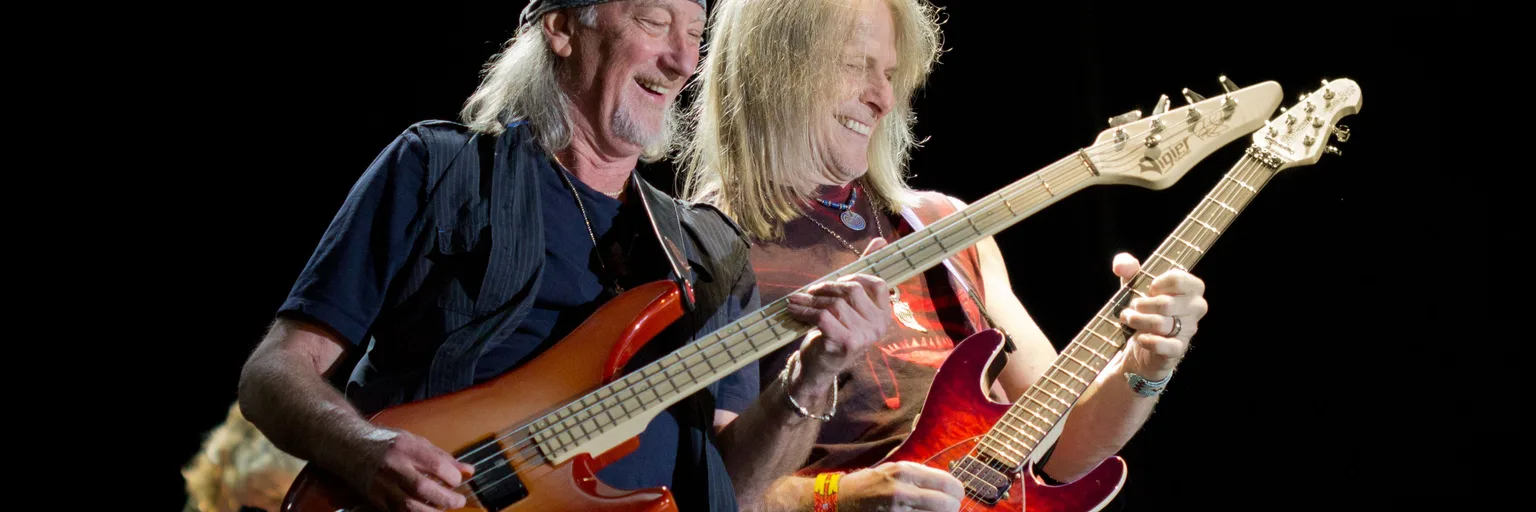
With their 24th studio album and a robust tour schedule, Deep Purple proves that legendary acts can still innovate and captivate audiences without resting on past glories.
Levante's Courageous Transparency Redefines Mental Health Discourse in Music
By openly discussing her depression diagnoses, Levante isn't just releasing an album; she's dismantling stigma and fostering a vital, evolving conversation within the music industry and beyond.

Symphonic Metal's Shifting Sands: Floor Jansen Departs Nightwish
Floor Jansen's departure from Nightwish marks a pivotal moment, forcing the symphonic metal titans to navigate their future without their commanding vocalist, raising questions for fans and the genre alike.