Mariah Carey’s Memoir Victory Protects Truth-Telling, Not Recklessness
The dismissal of Morgan Carey’s $20 million suit is a win for memoirists, but it does not turn painful family memories into a legal free pass.
Photo: InSapphoWeTrust from Los Angeles, California, USA / Wikimedia Commons (CC BY-SA 2.0)
A memoir is supposed to tell the story behind the public story. But what happens when that story names relatives who insist the past has been rewritten? Mariah Carey’s courtroom victory offers an important answer: artists do not need to prove every painful memory to a jury before publishing it, but they also cannot treat celebrity as immunity from defamation law.
On October 19, 2026, a New York state court dismissed Morgan Carey’s long-running lawsuit over passages in The Meaning of Mariah Carey. The suit, filed in 2021, sought damages Morgan said exceeded $20 million and challenged descriptions of violence, cocaine trafficking and childhood behavior. As Billboard reports, Judge Leslie A. Stroth ruled that Morgan had not sufficiently pleaded “actual malice,” the standard required in New York for a defamation claim involving a public figure. His attorney says he plans to appeal.
That distinction matters. Carey won because the complaint did not establish that she knowingly published false statements or acted with reckless disregard for the truth—not because the court conducted a definitive trial of every family memory in the book.
The ruling protects the act of remembering, not every sentence in a memoir
The strongest reading of this decision is not that famous writers can say whatever they want. It is that a personal narrative cannot be dismantled merely because the people described in it strongly disagree with the author’s version.
The court focused on the plaintiff’s failure to plead actual malice. According to Rolling Stone, the judge found that Morgan could not establish that Carey knew the challenged statements were false or published them with reckless disregard for the truth. Allegations of hostility between siblings were not enough.
That is a sensible barrier. Family memoirs are built from memory, testimony and interpretation, not from the kind of neutral documentation that might settle a transaction or a public announcement. Requiring proof of deliberate falsity before a case can proceed recognizes that intimate history is inherently contested. Without that protection, the most powerful people in a writer’s past could make honest disclosure financially dangerous simply by filing suit.
Still, “personal” does not mean “automatically accurate.” The decision leaves room for a claim when a plaintiff can show the necessary state of mind. That is precisely why the ruling should be understood as a defense of responsible storytelling, not a blank check for sensationalism.
The commercial success of a memoir is not evidence of bad faith
Morgan’s argument reportedly included the idea that Carey was more concerned with the book’s commercial viability than with verifying its claims. That theory is revealing because it reaches toward a familiar suspicion: if a star profits from painful revelations, perhaps the revelations were manufactured for attention.
But commercial success cannot, by itself, prove malicious intent. A bestselling memoir is still a memoir, and an artist does not surrender the right to describe family experiences because a publisher sells copies. The Meaning of Mariah Carey became a No. 1 New York Times bestseller after its 2020 release, but popularity does not answer whether a passage was knowingly false. Nor should sales transform every disputed recollection into a presumed publicity stunt.
In our view, this is where the case cuts against the increasingly cynical way celebrity storytelling is discussed. The presence of money does not invalidate testimony. At the same time, money creates an incentive to dramatize, and serious publishers should treat that incentive as a reason for stronger editorial scrutiny—not as a substitute for it.
The appeal keeps this from being a clean final chapter
Carey’s lawyer said she was “gratified” that the court recognized the memoir as addressing matters of public interest and dismissed the claims in their entirety. That framing is understandable, but the word “victory” needs a footnote: Morgan’s attorney has said the decision will be appealed, calling it inconsistent with prior rulings in the case, as The Hollywood Reporter reports.
The appeal means the broader lesson should remain measured. This is not a binding declaration that memoirists are protected from litigation, nor does it settle every factual dispute in Carey's family history. It is a ruling about pleading and the actual-malice standard at this stage of the case. That procedural reality may be less dramatic than a courtroom verdict, but it is more useful for writers trying to understand the risk.
It also shows why public figures face a peculiar burden when they write about themselves. Their fame expands the audience and the commercial value of the story, but it can also make courts more attentive to the legal standards governing public commentary. The result is a narrow path: be candid enough to make the book meaningful, careful enough to distinguish memory from provable fact, and prepared to explain the basis for accusations that could damage someone’s reputation.
The real precedent may be cultural, not legal
If this decision influences memoir writing, it will probably do so less through a new legal rule than through a change in confidence. Artists may see that a family member’s disagreement, even when sharpened by a long and public conflict, is not automatically enough to keep a memoir claim alive. That is valuable for a form that depends on uncomfortable specificity.
But the opposite lesson is just as important. Carey’s win does not make litigation irrelevant to the creative process. The case reportedly began after the memoir’s success and survived several years of legal proceedings, even after an earlier judge dismissed many of the original claims. The cost of defending a book can exist long before a court finally rejects the lawsuit.
That should encourage better preparation, not quieter artists. Writers and publishers need careful sourcing, clear distinctions between allegation and recollection, and a realistic understanding that a disclaimer cannot repair knowingly false reporting. The law may protect a good-faith account; it cannot turn careless insinuation into protected art.
Mariah Carey’s dismissal is therefore a meaningful win for artists’ rights, but an overstatement if treated as a universal license to expose anyone without restraint. The recommendation is simple: memoirists should write boldly, document seriously and resist the temptation to confuse emotional certainty with factual certainty. Carey won the legal battle because the court found no adequately pleaded actual malice. That is protection worth defending—and a warning worth keeping.
No topics yet: start the first one.
More stories
LE SSERAFIM’s Brazil omission exposes K-pop’s global limit
PUREFLOW’s Brazil-free routing reveals the gap between K-pop’s global cultural reach and the uneven access fans receive when touring becomes physical.

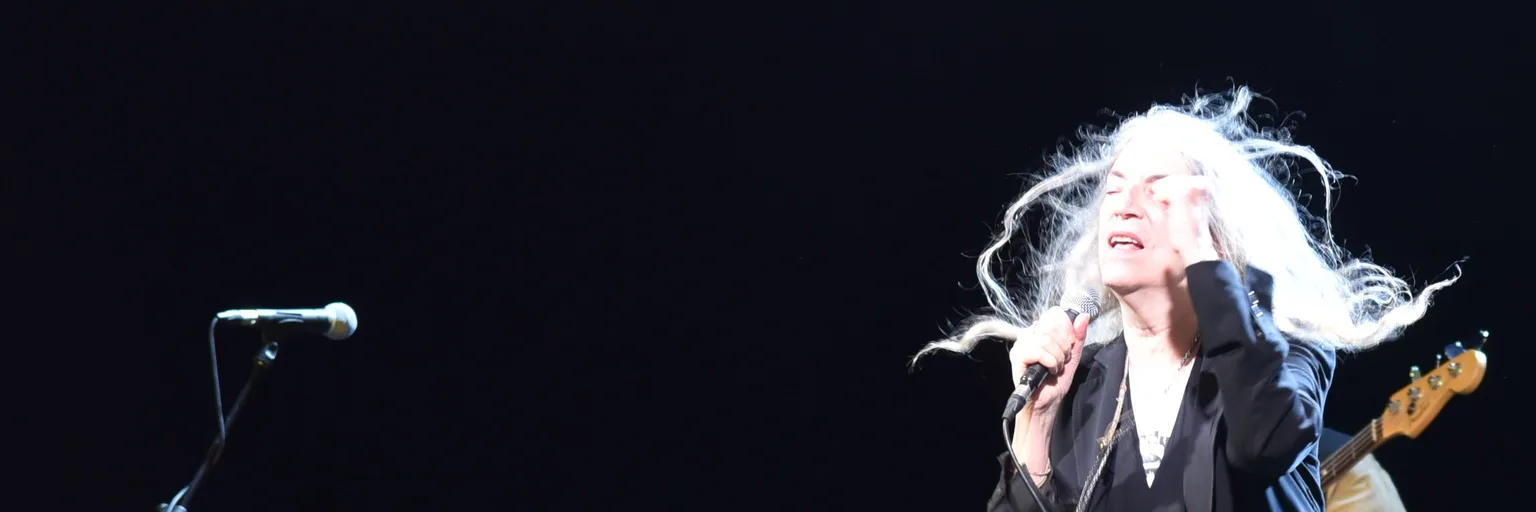
Patti Smith's Asturias Warning: Is Our Digital Life Killing Artistic Soul?
The iconic artist's powerful address to Asturian students, urging them to disconnect from phones, spotlights a critical debate on technology's erosion of genuine artistic engagement and human connection.
Victoria Justice's 'Love Zombie' Shows Indie Artists Win by Trusting Fans
Victoria Justice's 'Love Zombie' finally emerges after 15 years, its independent release and viral success proving that artists can reclaim creative control and reshape their careers beyond traditional label confines.

Hetfield vs. Waters: The Enduring Divide Between Art and Activism
The fiery exchange between James Hetfield and Roger Waters lays bare a fundamental ideological chasm within music: is a concert a refuge or a pulpit?