Hetfield vs. Waters: The Enduring Divide Between Art and Activism
The fiery exchange between James Hetfield and Roger Waters lays bare a fundamental ideological chasm within music: is a concert a refuge or a pulpit?
AI-generated image
Should a concert be a sanctuary, a place where the clamor of the outside world fades into the roar of heavy music, or a stage for urgent political discourse? This enduring question has been reignited with characteristic force by the recent public spat between Metallica frontman James Hetfield and former Pink Floyd bassist Roger Waters, exposing a fundamental ideological rift in the music world that is far from new.
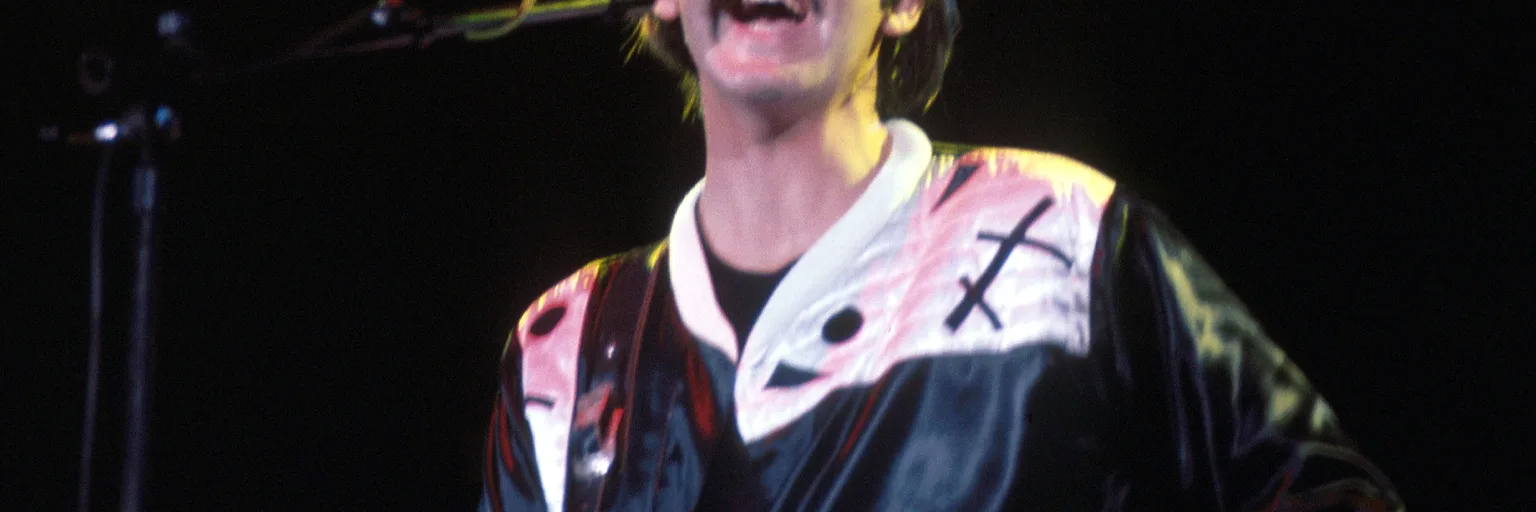
The controversy began on October 10, when James Hetfield, during Metallica's residency at The Sphere in Las Vegas, declared that the band was “not here, like some other entertainers, to influence you with their bullshit.” He continued, “We are here... no bullshit... we're here to forget about all the outside shit, OK? Metallica's agenda is love, energy and heavy music, baby!” While Hetfield did not name names, his comments arrived just weeks after rapper Macklemore was removed from a tour supporting Ed Sheeran, following Macklemore's on-stage pro-Palestinian and anti-ICE comments.
The Sanctuary Narrative: Hetfield's Consistent Stance
Hetfield's statement at The Sphere is not an isolated incident but rather a consistent thread throughout his public comments on the role of music. For years, the Metallica frontman has advocated for keeping politics separate from his performances. He explained in 2007 that politics “drive me crazy” during an interview around their Live Earth performance. This sentiment was echoed in 2017, when Hetfield chose to keep his views on Donald Trump private, stating that politics “separates” people. His commitment to this boundary was also evident in 2008 when he expressed being “bummed” that Metallica's music was used in the US torture of Iraqi prisoners, emphasizing his desire for the band not to be “attached to some political statement”. Even as recently as 2020, Metallica articulated a vision for their music to foster unity amidst social conflicts. Despite the anti-war rhetoric found in earlier works like 1986's Disposable Heroes and 1988's ...And Justice For All, Hetfield has consistently maintained his personal disregard for explicitly political concert platforms.
The Pulpit Perspective: Waters' Fiery Rebuttal
Roger Waters, a long-time advocate for political causes, swiftly countered Hetfield's stance during an appearance on The Katie Halper Show. Waters tore into Hetfield, dismissing him as a “complete prick” with “an IQ of about three,” questioning why anyone should discuss a “nobody” who “may have a few hundred million dollars or whatever, but he's a prick”. Waters took his criticism further, claiming Hetfield is “no musician” and that he heard them playing acoustic instruments, which he found “appalling”. This musical critique is notable, considering Rolling Stone named Metallica's “Fade To Black”—featuring Hetfield on acoustic guitar—the 35th-best metal song of all time in 2023. Waters concluded his remarks with a call for Palestinian solidarity, a cause he has supported extensively, even criticizing Ed Sheeran for Macklemore's tour removal.
The contrast between Hetfield's desire for an apolitical escape and Waters' belief in music as a vehicle for activism highlights a fundamental question for artists and audiences alike: can music truly be divorced from the world's complexities, or does its power inherently demand engagement?
No topics yet: start the first one.
More stories
Nicole Scherzinger's Return: Resilience or Relentless Industry Pressure?
Nicole Scherzinger's immediate return to the stage after sustaining significant burn injuries reignites the debate about artistic fortitude versus the demanding expectations placed on performers in the music industry.

K/DA's Fiery Comeback: A Masterclass in Virtual Music Strategy
K/DA's return, marked by reactivated social media and 'Start a Fire' teasers, showcases Riot Games' calculated strategy to leverage virtual artists' enduring appeal and K-pop's global reach, redefining digital music group potential.
Cardi B's 'Global Woman' Award: A New Standard or More Industry Noise?
Billboard Canada's creation of a 'Global Woman of the Year' award for Cardi B reflects a shifting industry focus, but also raises valid questions about the true weight of such accolades in a sprawling music market.

Legendary Status: Paul McCartney's Honest Feedback Dilemma
Paul McCartney's candid admission about the struggle for honest feedback reveals the unique isolation faced by artists at the pinnacle of success, impacting their creative process.