Musisfera Newsroom
Eurovision's extra time for Spain shows it needs big markets
Giving RTVE until December to decide says Eurovision needs its big markets more than it admits, and broadcasters should stop treating participation as leverage.
Giving RTVE until December to decide says Eurovision needs its big markets more than it admits, and broadcasters should stop treating participation as leverage.
Fuse ended a 24-year silence; Blue Reservoir, led by the acoustic "Young and Dumb," asks whether Thorn and Watt are a band again. We think smallness is their strength.
Premiering a 13th album on movie screens before release is a smart bet on ritual and scarcity, and a lesson for legacy stars fighting the endless scroll of streaming.
A subpoena over royalty rules for AI tracks reveals that the biggest AI music battle isn't about songs but about who gets to see how the payments are calculated.
Headlining Super Bowl LXI after years of curating the show is the natural end of the mogul playbook, but it leaves the NFL, Roc Nation and the artist as one circle.
A "brief" presidential appearance at the meeting that sealed the Live Nation settlement doesn't prove interference, but it tells fans who had access and who didn't.
Signing with Warner Records Nashville makes sense for a harmony group built on heartbreak, but the 2027 album only works if it's written, not just dressed, as country.
Ski Aggu's phone-free club tour is a fair answer to a crowd of screens, but it only works if it offers a real alternative and isn't just a clever marketing move.
Recorded in about two weeks and started without telling her manager, B'Day is where Beyoncé stopped behaving like a pop star and started working like an author.
Iron Maiden's São Paulo shows lean on the band's first nine albums. It's a smart gift to fans, but it quietly says the present tense is no longer the point.
Announcing a retirement two years ahead turns the end of a career into a controlled farewell cycle. It only works if the last shows are more than a countdown.
A 27th studio album, "Foreign Tongues," arriving after "Hackney Diamonds" only matters if the Stones treat late-career work as creative urgency, not brand upkeep.
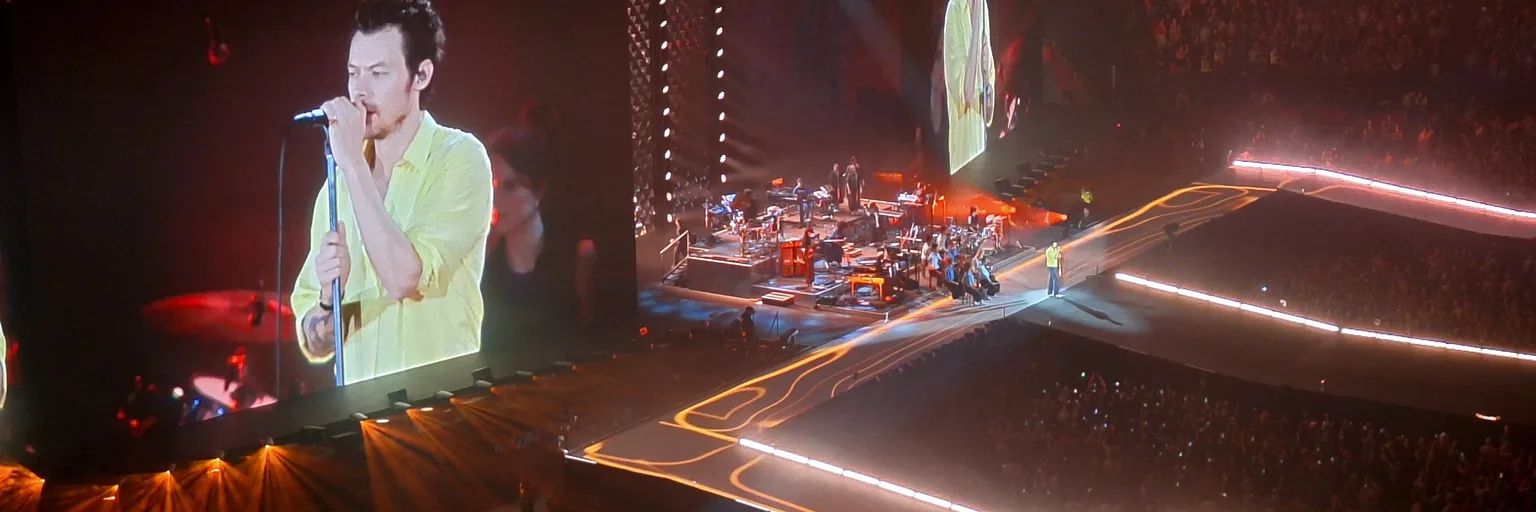
Twenty-five new stadium dates in 12 cities move Styles from residency events to a global run. Scarcity is thinner now, but the design still protects the magic.
A Las Vegas residency suits a band obsessed with precision, but only if Rush resists the greatest-hits-in-a-giant-screen template and keeps its odd, exacting spirit.
Catalog dominance isn't just nostalgia: streaming and playlists reward what we already know, and the industry can't keep treating new-artist discovery as optional.
A career-best No. 6 debut, years after a viral spark, suggests the smartest move in pop is building a base that outlasts the moment, not chasing the next hit.
Macklemore turned his removal from Ed Sheeran's tour into a "Free Palestine" run. It proves conviction can sell, and that venue owners, not artists, set stadium limits.
A suit over 274 Presley songs shows legacy estates are now frontline players in AI training disputes, and lawsuits alone won't settle it. Licensing will.
Swift let her debut's 20th birthday pass quietly after a Showgirl deluxe. A country-roots victory lap would be easy, and refusing it may be smarter.
Thirteen dates pushed back to 2027 and 2028, three days before opening night: the real story is how little slack arena-scale touring leaves for a single body.