Musisfera Newsroom
A Perfect All Kill for an AI song says Korea's charts need labels
MEOMERU's sweep isn't proof that machines beat idols; it shows Korean charts can't tell listeners what they're hearing, and that's the real fairness problem.
Tidal is the first major streamer to ban fully AI-generated music. The ban only counts if detection works and Spotify and Apple Music feel pressure to follow.
Portishead's move costs the band almost nothing and is nearly impossible to measure. Before applauding, ask what a geo-block changes and who actually pays for it.
When a Spotify cofounder says you can't record every three or four years, he is describing what his platform rewards, not what makes music last.
Deezer's CEO says AI makes up half of daily uploads, but the real problem is a payout model that rewards volume, so platforms must label, filter and demonetize.
A Lorde-backed app that sells albums instead of renting them is the right counterweight to singles culture, but good intentions won't pay the bills or widen its audience.
Spotify says it wants to grow India's music industry, not just its app. Fair enough, but the proof is what independent and regional artists actually take home.
Showbiz411 says the last No. 1 debut above 100,000 came from a 67-year-old pop veteran, and that says less about dying sales than about a Billboard 200 measuring the wrong things.
Steven Wilson and Mikael Åkerfeldt are reportedly building a 45-minute piece in the age of the single, and it only matters if it's as uncompromising as 2012.
Spotify's reported early-2027 remix and cover add-on could be a licensed playground for fans, or a catalog-flooding machine. Artist consent and pay decide which.
Universal's subscription revenue is accelerating, but the fine print points to higher prices, an acquisition and old songs, not a wave of new listeners finding new music.
A one-night, ballot-only London gig before Carnaval De Luz shows U2 understand that a controlled live moment can beat a streaming drop, if the new songs hold the room.
Catalog dominance isn't just nostalgia: streaming and playlists reward what we already know, and the industry can't keep treating new-artist discovery as optional.
A 2027 album is still tabloid chatter, but the way Adele rations her output shows why absence can build demand, even in a streaming era that punishes it.
Spotify keeps adding paying users and plugs into AI agents, but a bigger subscriber count says nothing about whether artists see more of the money.
Spotify is right to suppress AI slop, but deleting its visibility cannot rebuild trust without transparency, artist protections and better streaming incentives.
The overwhelming tide of new music and meager streaming royalties demand a strategic shift for indie artists: true connection and sustainable careers now hinge on direct fan engagement and platform diversification, not just algorithmic plays.
Warner Music India's aggressive catalog acquisitions and strategic partnerships in South India signal a fundamental shift towards regional relevance, offering a roadmap for the global music industry's future.
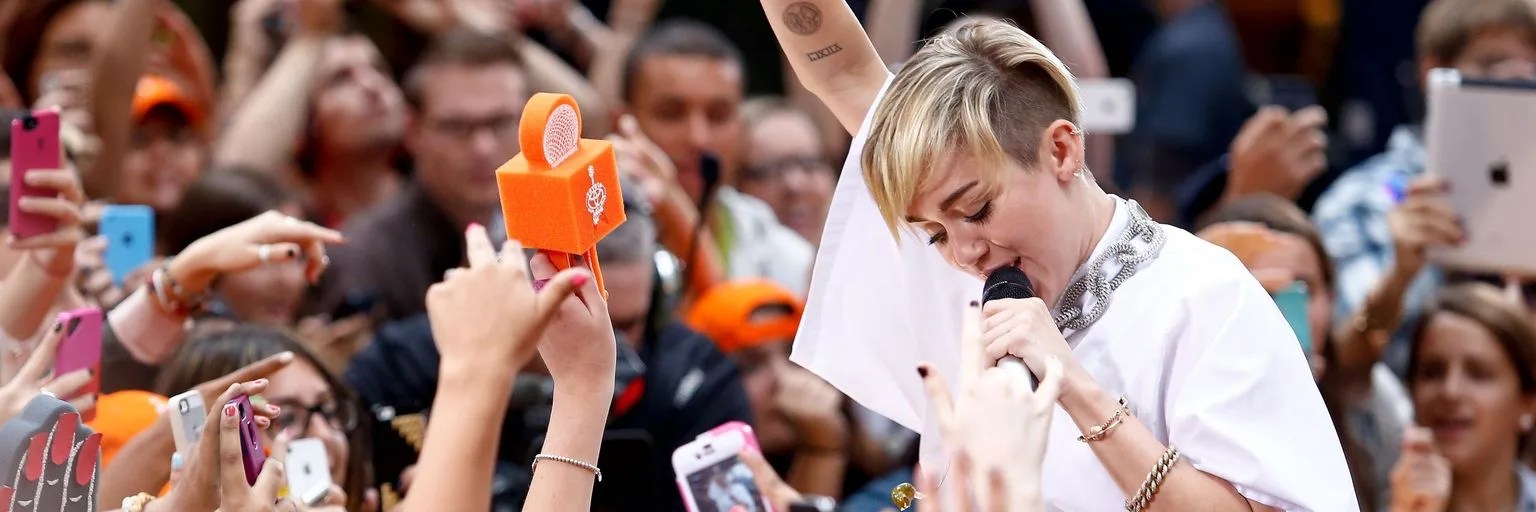
Miley Cyrus's 'Bass Persuades' experienced one of the biggest chart drops in history, underscoring how streaming transforms album debuts into fleeting triumphs and challenges the very definition of a hit.