Céline Dion's $125M Paris run proves scarcity is the new premium
Sixteen shows, 539,000 tickets and a record nightly gross: Dion's Paris residency shows what a long-awaited return can be worth, but few artists can copy it.
AI-generated image
What is worth more: a stadium tour that plays forty cities, or one city that gets sixteen nights and nobody else gets anything? In our view, Céline Dion's Paris numbers lean hard toward the second answer.
According to Billboard's final Boxscore figures as relayed by playback.gr, her 16 Paris shows grossed $125.5 million from 539,000 tickets. That works out to an average of $7.8 million a night, which the outlet describes as a new record for a concert residency, ahead of U2's Las Vegas run. The shows, the first leg of her Paris residency, began on September 12 and wrapped in October, and they marked her first large-scale concert run in more than six years, as Yahoo reports.
The product wasn't the concert, it was the possibility
Look at what was actually being sold. In our view, it wasn't a new album cycle or a hit-laden festival slot. It was the chance to see someone who had been away for six years, and who returned after a stiff-person syndrome diagnosis, as Parade frames it. Nobody buys that for the setlist. They buy it for the event.
That is why we think the comparison with a world tour is more interesting than it looks. A tour monetizes reach: many markets, many logistics, many nights of ordinary demand. A comeback residency monetizes intensity: one place, a short window, and a fear of missing out that no marketing department can manufacture. Scarcity plus emotion is a premium formula, and it is hard to fake.
One city, one venue, one narrative is also cheaper to sell
There is a boring economic argument hiding under the emotional one. A residency removes the trucks, the routing and the exhaustion of moving a production every night. For an artist whose health is part of the story, that is not a luxury, it is the plan. We would not be surprised if the margin on this run looks far better than the headline gross suggests, though the documentation only gives us gross ticket sales, so that remains our guess.
It also concentrates the media story. Every outlet writes about Paris, not about a tour map. The narrative stays clean: a return, a number, a record.
Don't read this as a template for everyone
Here is where we would cool the enthusiasm. This model works for a very short list of artists: people whose absence is itself famous, whose voice is tied to a wide audience across generations, and whose return feels like a cultural occasion. Our guess is that the market for a "waited for years" premium is tiny. Most legacy acts who announce a residency will find that scarcity cannot be conjured if the absence was never felt.
There is a risk for the industry too. If promoters read $7.8 million a night as a trend rather than an exception, we will probably get a wave of residencies chasing a feeling that cannot be repeated on a schedule. Emotion is not a recurring revenue stream.
Also worth noting: these are gross figures. They say how much was paid, not how much was kept, and they say nothing about what fans thought of the price of admission.
Our verdict
Dion's Paris run is a brilliant case study, not a blueprint. It suggests that, for the right artist, one place and one moment can rival a map full of dates. Promoters should study it. Artists with long gaps should think carefully before copying it. And fans should enjoy the uncomfortable truth that the most valuable thing in live music right now is not another show, but a reason to feel you cannot miss this one.
No topics yet: start the first one.
More stories
Bob Dylan's phone-free Italian run is the product, not a gimmick
Three Italian arena shows, locked phone pouches and a setlist the man rewrites on the fly: Dylan is selling presence, and fans lose almost nothing by handing over their screens.

U2's 2027 Europe tour is a machine; the test is the show
Twelve stadium dates, a new album and a Visa presale: U2 are turning Carnaval De Luz into a touring operation, and the setlist and ticket pricing will decide if it earns the scale.

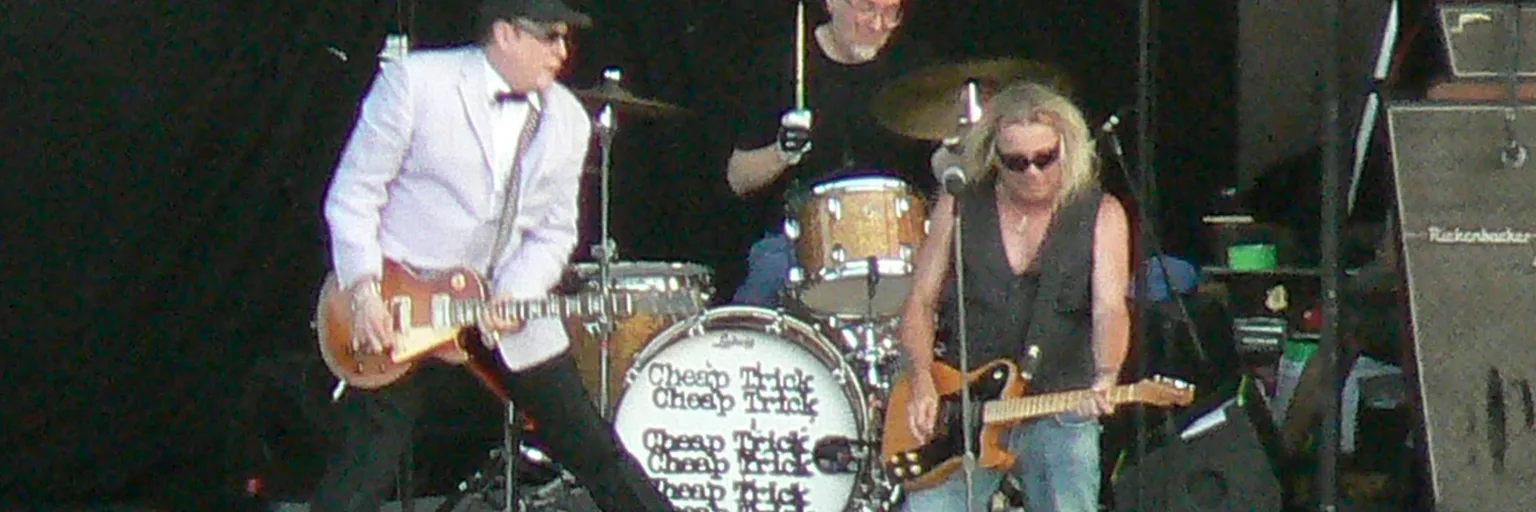
Cheap Trick's first break in 50 years makes rest a statement
When a band that never stopped touring says "we need a break," it isn't a crisis. It's a sign that even the most road-hardened acts are questioning the grind.
Coldplay's 59% cut leaves touring's biggest stars with no excuses
Coldplay says its direct tour emissions fell 59% against its previous stadium run. That puts the burden of proof on every other headliner who claims a big show can't be greener.