Coldplay's 59% cut leaves touring's biggest stars with no excuses
Coldplay says its direct tour emissions fell 59% against its previous stadium run. That puts the burden of proof on every other headliner who claims a big show can't be greener.
AI-generated image
Is there still a good reason for a stadium headliner not to publish a tour carbon number? After the figures Coldplay has reported, we don't think so. A common assumption is that a big show and a low-carbon show pull in opposite directions. Coldplay is a counterexample, and it is hard to wave away.
Here is what the documentation supports. On the band's own emissions update, Coldplay says it pledged in 2021 to cut direct emissions from show production, freight, and band and crew travel by at least 50% on the Music Of The Spheres Tour. It now reports that direct CO2e from the first two years is 59% lower than its previous stadium tour (2016-17), compared show by show. A sustainability write-up says those figures were verified by MIT's Environmental Solutions Initiative. Diario La Cima points to measures like electric bikes, kinetic dance floors and recyclable LED wristbands.
The number matters more than the gadgets
Kinetic floors and wristbands make good photos. They are not why this story matters. The figure compares two stadium tours of the same band, so it isn't a boutique project with a conscience. It also covers the categories that usually serve as the excuse: freight, travel and production. Other coverage we reviewed also credits renewable energy, fewer flights and fuels made from waste. Those are logistics decisions, and in our view they are not artistic sacrifices.
That is the point we would press. Fans never asked for a diesel generator in the production design. If a band can change how its show is powered and moved, then "the fans expect a big production" looks like a much weaker defense than it used to. The reported result suggests the trade-off is smaller than many in the business like to claim.
Caveats the headline skips
We should be honest about the limits. This is a self-reported figure about direct emissions, even if an outside institution verified it, and the material we have says nothing about fans' travel to the venue. It also compares a band against its own earlier tour, not against the whole market. A 59% cut from one baseline is not the same as a clean tour. Gizmodo's headline talks about how the tours of the future could look, and we would treat that as a forecast, not a fact.
But those caveats cut against the stars who stay silent, not for them. Coldplay published a target in 2021, measured against it, and reported a result. That makes the claim checkable and the other side's silence conspicuous. Imperfect measurement is still better than none.
What the rest of the business should do
Our view is that this is a transparency test before it is an engineering one. Any artist selling out stadiums probably has the budget and the crew to ask promoters for a baseline and a reduction target. Those who decline can no longer easily say it can't be done. They can only say they would rather not say.
For fans, the practical move is simple. Ask whether a tour has published a number and who checked it. A band that avoids that question is telling you something, and a headliner that answers it plainly deserves credit for doing so.
Coldplay won't fix touring alone, and its own figures leave plenty of work undone. But it has moved the debate from whether decarbonizing a stadium tour is possible to why others haven't done it yet. That is a much harder question to dodge.
No topics yet: start the first one.
More stories
U2's 2027 Europe tour is a machine; the test is the show
Twelve stadium dates, a new album and a Visa presale: U2 are turning Carnaval De Luz into a touring operation, and the setlist and ticket pricing will decide if it earns the scale.

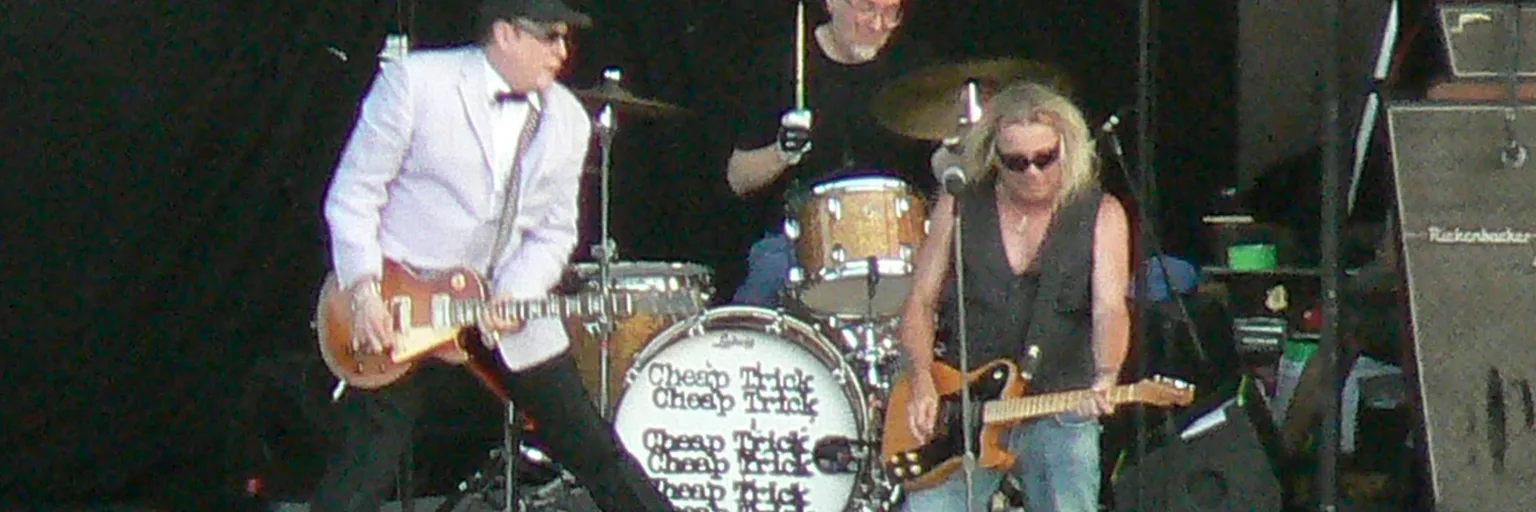
Cheap Trick's first break in 50 years makes rest a statement
When a band that never stopped touring says "we need a break," it isn't a crisis. It's a sign that even the most road-hardened acts are questioning the grind.
BTS in São Paulo: four screens, twelve-screen expectations
Cutting the video setup from 12 LED panels to four on the South American leg isn't a logistics footnote. It's a product change fans should have been told about before paying.

Jay-Z picked Jay-Z, and the halftime stage is now a closed loop
Headlining Super Bowl LXI after years of curating the show is the natural end of the mogul playbook, but it leaves the NFL, Roc Nation and the artist as one circle.